CIRCUITHIVE
ISSUE 024
JULY 2026
JULY 2026
WorkPowerTrust
The
Humanoid
Moment
What happens when the robots leave the laboratory?
Drag, swipe or press → to open
What happens when the robots leave the laboratory?
Drag, swipe or press → to openIssue 024 / Contents
A note from CircuitHive
Welcome to the first living issue of CircuitHive. Our cover asks what happens when humanoid robots become colleagues before they become companions.
The answer is not hidden inside a product demo. It lives in factories, power grids, public policy and the everyday negotiations between people and machines.
This issue is designed to move. Turn its pages, then use “Read full story” whenever you want the complete source-linked reporting behind a spread.
CircuitHive
Editorial team
Robotics / Work / Power
The shape of the world
Because the modern world has already been designed around the human body.
Doors, stairs, shelves, tools and factory stations all assume a particular height, reach and arrangement of limbs. Rebuilding every workplace for a new machine would be expensive. Building a machine that can inherit the existing environment may be cheaper.
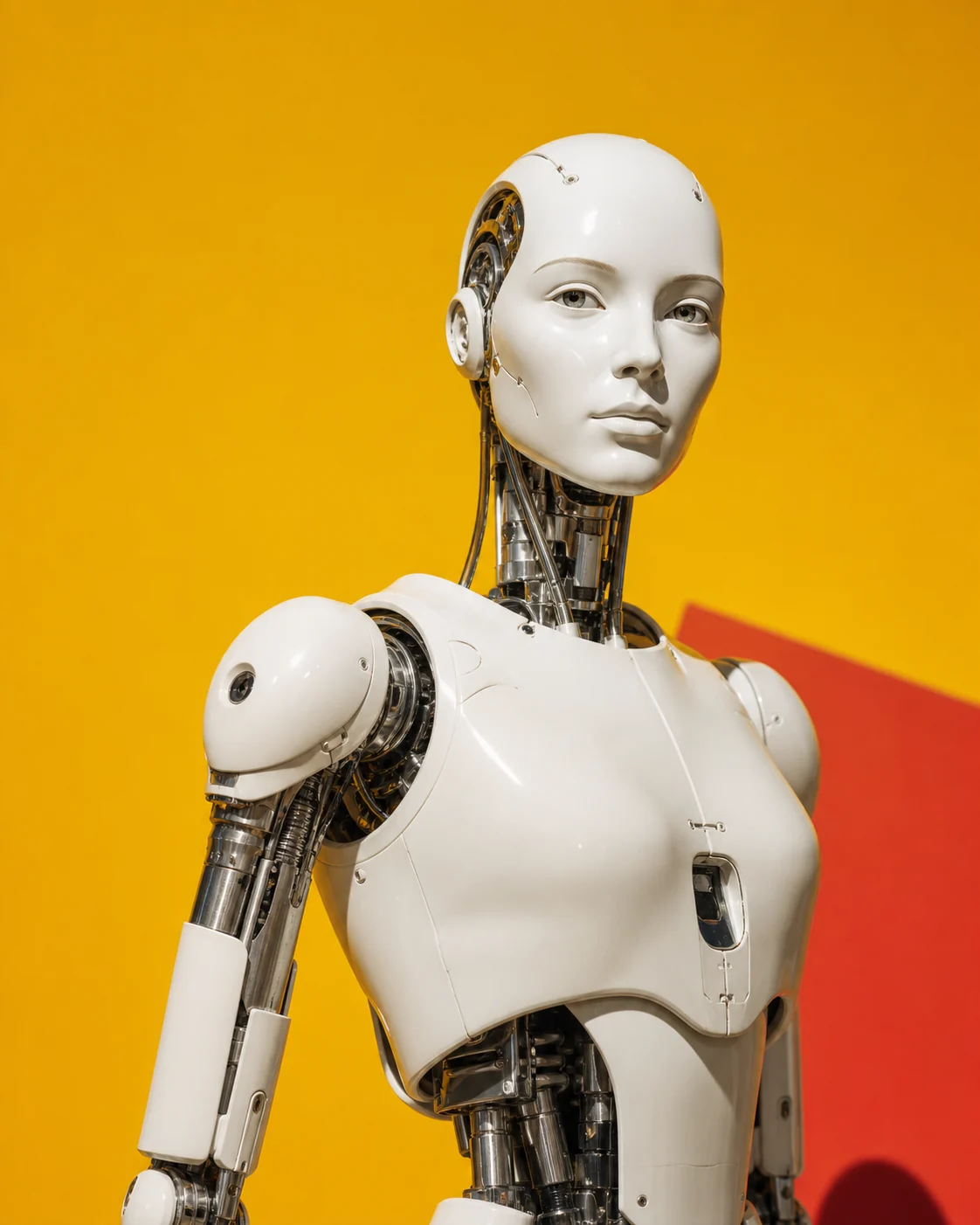
Boston Dynamics’ production Atlas has 56 degrees of freedom, a 50-kilogram lifting capacity and a battery designed to swap itself. Its first deployments are planned with Hyundai and Google DeepMind. The target is not the living room. It is useful, repeatable industrial work.
The question beneath the demo
“The important question isn’t whether a robot can walk. It is who gets to decide where it walks—and why.”
Capability attracts attention. Deployment determines consequence.
Before the home
Robots will earn their social licence through ordinary competence: stopping safely, explaining failure, respecting workers’ knowledge and giving people meaningful control.
Continue in article mode →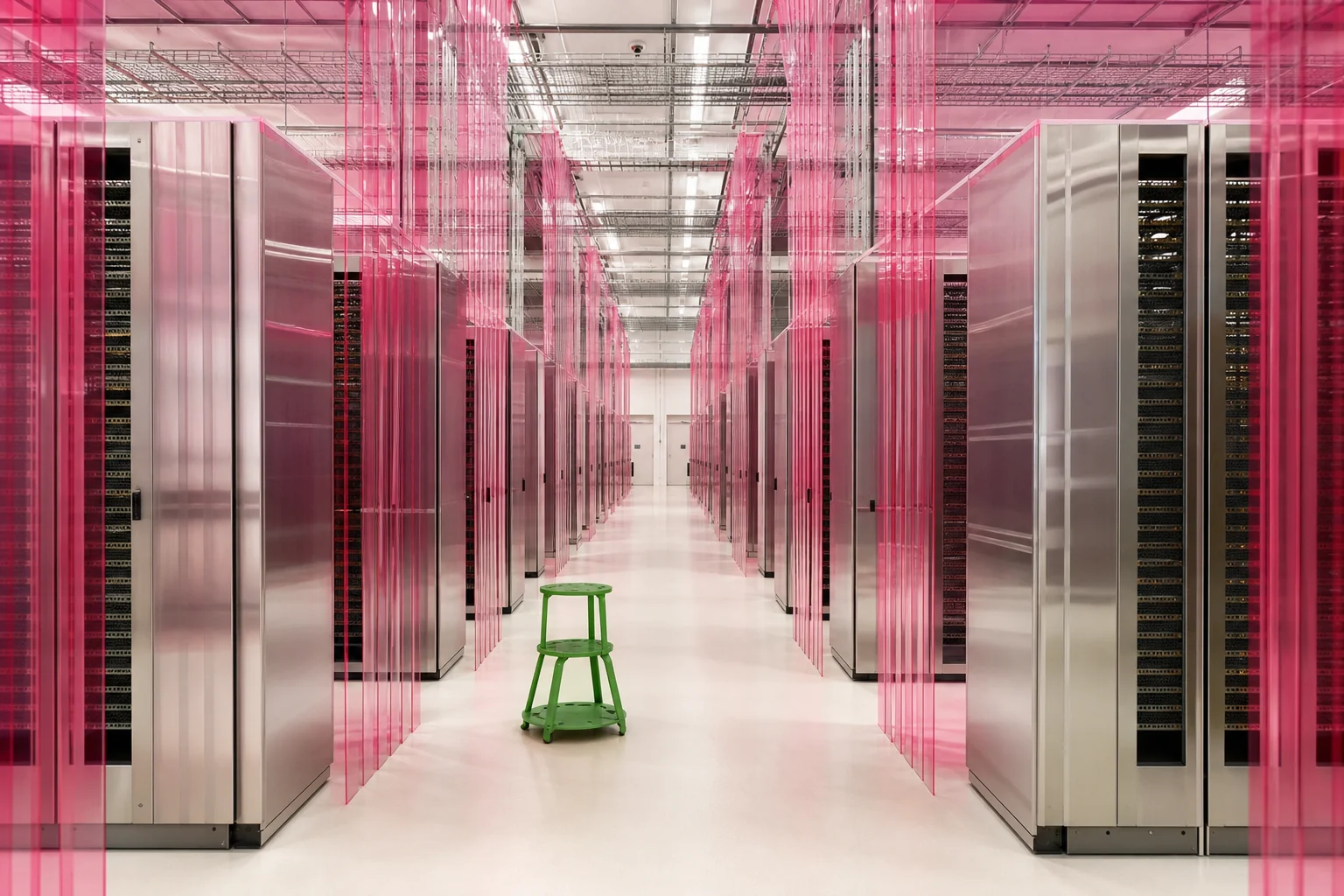
Louisiana / 5GW
The physical cost of an effortless answer
Meta’s Hyperion campus could deliver meaningful prosperity to Richland Parish while committing the region to infrastructure decisions that last for decades. Serious technology journalism has to hold both possibilities at once.
Open the full field note ↗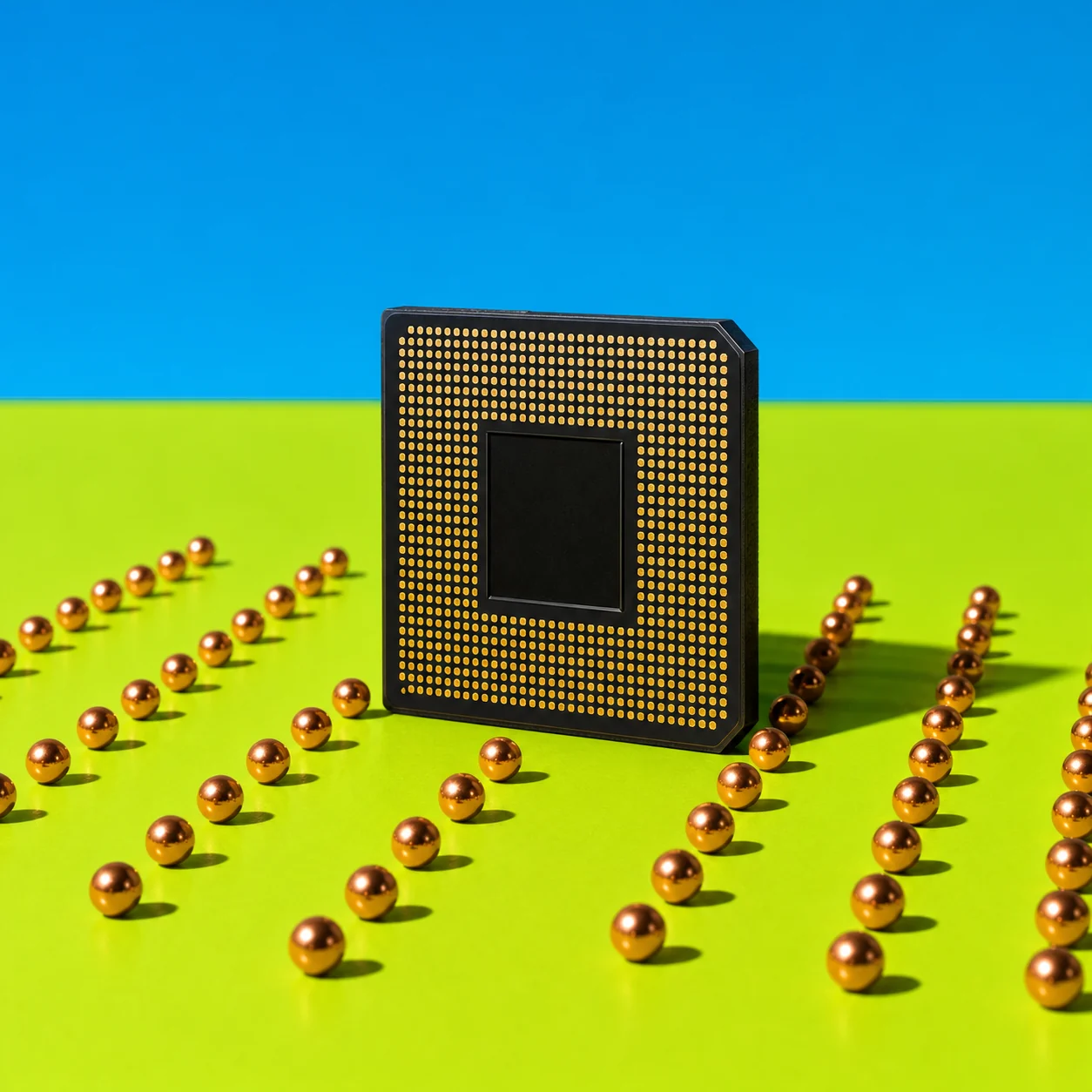
Semiconductors
Resilience is not the same as isolation.
Intel’s new €5 billion Irish investment strengthens a network. That is less dramatic than winning a war—and much closer to how technological power is actually built.
Read CircuitHive’s analysis →ChatGPT can now search across your past conversations, projects, images and documents. An interface update reveals what AI assistants are becoming: personal information environments built from the trail of our thinking.
Read CircuitHive’s analysis →
The next interface
Smart glasses are back, but this time the technology is learning to disappear inside an object people might actually choose to wear.

Form finds function
After years of fragile experiments and awkward compromises, folding phones have entered their confident era. The hinge is no longer the story. What the extra space lets us do is.
THE VERDICT / A CATEGORY, NOT A GIMMICKFour things that moved
The humanoid story moves from technical spectacle toward deployment, reliability and work.
AI’s appetite for power is now reshaping the politics of towns, grids and public risk.
Europe’s industrial strategy gains capacity—and a fresh test of what technological sovereignty means.
A convenience feature turns years of questions into a new kind of personal archive.
Process and principles
We report the product, the system around it and the people asked to live with the consequences.
Issue 024 brings together every CircuitHive story published during the week of 13–16 July 2026. Articles remain available individually for accessible reading, sharing and source notes.
CIRCUITHIVE / ISSUE 024
Use ← → to turn pages