Artificial intelligence arrives through a text box. Its physical infrastructure arrives by the thousand-acre site, the transmission line and the power plant. This week, Meta said it would expand its Hyperion data-centre campus in Richland Parish, Louisiana, to five gigawatts of compute capacity and push total investment in the region beyond $50 billion. 1
Five gigawatts is an abstraction until it is compared with something familiar. Axios reported that the campus could consume roughly six times the electricity used by New Orleans on one of its hottest days. 2 A product experienced as weightless software has become one of the largest industrial projects in the country.
Every effortless AI answer begins somewhere physical: in a grid connection, a cooling system and a community asked to host both.
The bargain is real
Richland Parish is not simply absorbing costs. Meta says local businesses have received more than $1.6 billion in contracts since construction began. Once operational, the expanded campus is expected to support more than 1,000 roles. The company points to new scholarships, infrastructure spending and a dramatic rise in teacher bonuses funded by increased tax revenue.
Those outcomes matter. Technology criticism can become lazy when it treats communities as scenery and assumes that any corporate investment is inherently extractive. A well-paid technical job, a repaired road or the ability to retain qualified teachers can alter the future of a rural parish.
But a bargain should be evaluated in full. Meta says it will cover the energy, water and related infrastructure costs of the campus and argues that its agreements will save ratepayers money. Critics dispute whether every future cost is actually contained.
The electricity has to come from somewhere
The expansion is tied to an energy plan that includes seven new natural-gas generating plants, grid-scale batteries, nuclear upgrades and purchased power. On 14 July, the Union of Concerned Scientists said an administrative law judge had ordered Meta to provide information about additional gas demand that campaigners argued had been withheld from the public. 3
This is the democratic tension at the centre of AI infrastructure. Companies want to move at the speed of model development. Electricity systems, environmental review and public accountability operate on a different clock because their decisions last for decades.
A data centre changes its address
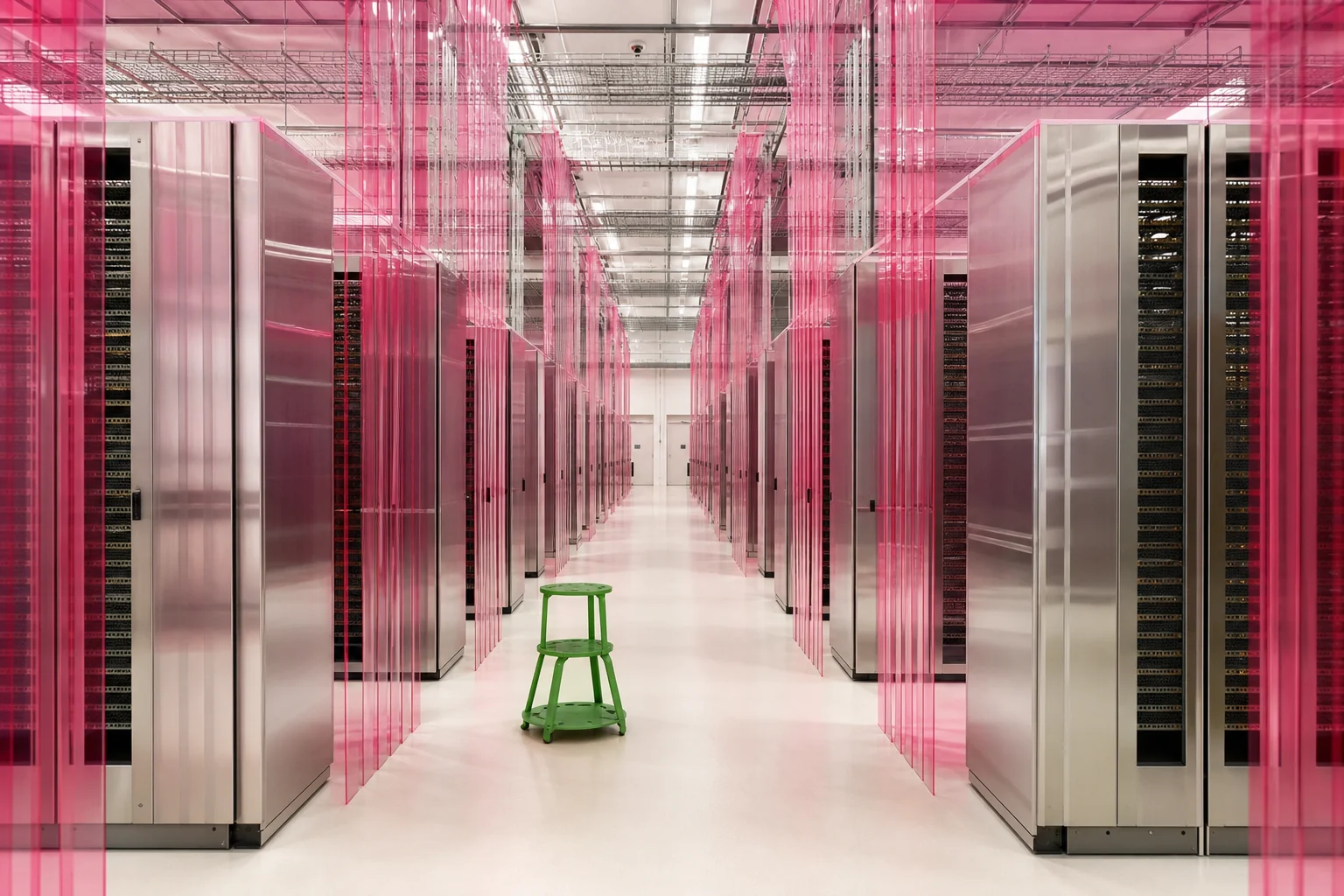
To a user, compute is interchangeable. A request is routed to wherever capacity is available. To a host community, the facility is intensely specific. It has a water source, emergency services, noise, traffic, tax arrangements and a place in the landscape.
The most important AI reporting will increasingly happen far away from product launches. It will happen at utility hearings, planning meetings and community colleges. The future of AI is being negotiated through questions that sound almost old-fashioned: Who pays for the wires? How many permanent jobs remain after construction? What happens if demand projections change? Who is responsible for the power plant thirty years from now?
Compute should have a label
Food comes with ingredients. Appliances come with energy ratings. AI services largely arrive without an intelligible account of the physical systems behind them. That makes it difficult for citizens—and even customers—to compare one provider’s claims with another’s.
Transparency will not settle every argument, but it would improve them. Companies should publish comparable information on peak power demand, water consumption, generation sources, permanent employment, public incentives and who carries the risk if a project is abandoned or downsized.
The cloud metaphor was useful when the internet needed to feel simple. It is less useful now that its industrial body is reshaping towns and power systems. Hyperion may deliver meaningful prosperity to Richland Parish. It may also lock in infrastructure choices the community must live with long after today’s AI models are obsolete. Serious technology journalism has to hold both possibilities at once.